
Medicine




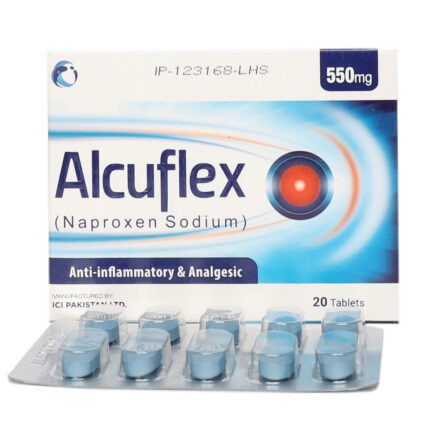
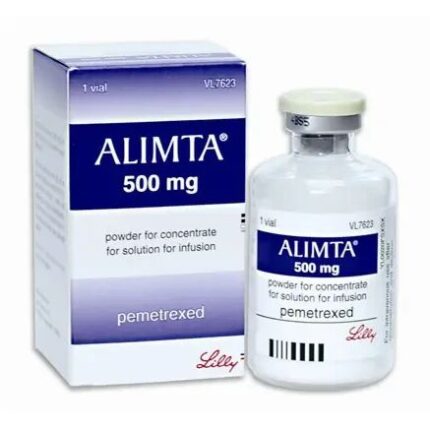
Alimta Injection 500 Mg 1 Vial
₨ 65,000Alimta Injection 500 mg (Pemetrexed) is a prescription chemotherapy medication used in the treatment of non-small cell lung cancer (NSCLC) and malignant pleural mesothelioma. It works by interfering with the growth of cancer cells, slowing their spread in the body. Each vial contains 500 mg of Pemetrexed disodium, supplied as a single-use vial for intravenous (IV) infusion. This medication must be administered under the supervision of a qualified healthcare professional in a clinical setting.
Alimta is often used in combination with other chemotherapy agents like cisplatin for enhanced effectiveness. The dosage and treatment cycles are determined based on the patient’s medical condition, response to therapy, and other medications being taken. Patients receiving Alimta are usually prescribed folic acid and vitamin B12 supplements to reduce side effects such as nausea, fatigue, and low blood cell counts.



Ambisome 50mg Injection
₨ 20,000Doctors prescribe Ambisome 50mg Injection (Liposomal Amphotericin B) as a prescription antifungal medication to treat severe systemic fungal infections and visceral leishmaniasis. The formula contains Amphotericin B encapsulated in liposomes, which improves drug delivery and reduces toxicity, especially to the kidneys. Healthcare professionals prepare the solution for intravenous infusion in a clinical setting. Hospitals widely use Ambisome to manage life-threatening infections in immunocompromised patients, including those undergoing chemotherapy or organ transplants.
Ambisome binds to fungal cell membranes, causing leakage of essential cell components, which ultimately leads to the death of the fungus. The formulation allows healthcare providers to administer higher doses safely, reducing the risk of nephrotoxicity and infusion-related side effects compared to conventional Amphotericin B formulations.
Always follow your doctor’s instructions regarding dosage and treatment duration. Do not self-administer due to the complex nature of its preparation and monitoring requirements. Store the vial in a refrigerator between 2°C and 8°C, protect it from light, and never freeze it.