
Shop
PLAQUENIL TABLET 200MG
Plaquenil 200mg Tablet (Hydroxychloroquine Sulfate)
Plaquenil 200mg Tablet is a widely used antimalarial and immunomodulatory medication prescribed for Rheumatoid Arthritis, Systemic Lupus Erythematosus (SLE), and malaria. It helps regulate overactive immune responses and reduce inflammation—making it a trusted long-term treatment option.
Learn more on Drugs.com.
What is Plaquenil 200mg Tablet Used For?
- Rheumatoid Arthritis: Reduces joint swelling, pain, and stiffness.
- Systemic Lupus Erythematosus (SLE): Manages flare-ups and helps slow disease progression.
- Malaria: Effective for prophylaxis and treatment of malaria caused by Plasmodium species.
WHO malaria guidelines.
Dosage & Administration
Each Plaquenil 200mg Tablet contains 200mg of Hydroxychloroquine Sulfate. It is taken orally, typically once or twice daily depending on the diagnosis and physician guidance. In autoimmune cases, noticeable improvements may take several weeks.
Side Effects of Plaquenil 200mg Tablet
- Common: Nausea, diarrhea, headache, and skin rashes
- Rare: Retinal damage — regular eye checkups are advised
See detailed precautions at the
FDA label for Hydroxychloroquine.
Storage Instructions
Store Plaquenil 200mg Tablet at room temperature (below 30°C), in a dry place away from direct sunlight and moisture.
Where to Buy Plaquenil 200mg Tablet Online
You can buy Plaquenil 200mg Tablet from trusted online pharmacies like
MedSpotPK with fast and secure delivery.
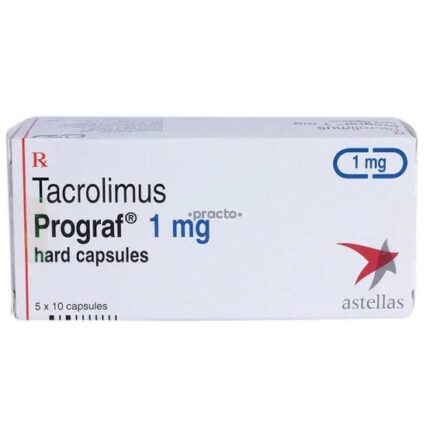
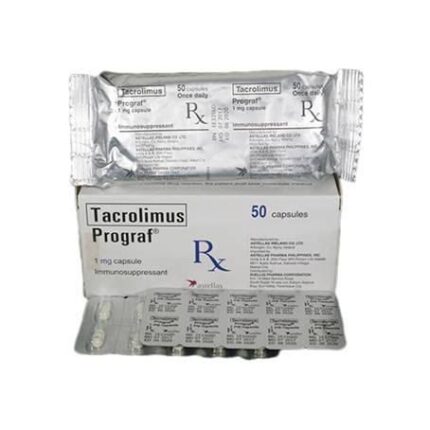
Prograf 1mg
Prograf 1mg Capsule (Tacrolimus) is an immunosuppressant medication used to prevent organ rejection in patients who have undergone kidney, liver, or heart transplants. Tacrolimus works by suppressing the body’s immune response, thereby reducing the risk of the immune system attacking the transplanted organ.
Each capsule contains 1mg of Tacrolimus, offering precise dosing to help maintain therapeutic drug levels. Prograf is an essential part of post-transplant therapy and is usually prescribed in combination with other immunosuppressive agents such as corticosteroids or mycophenolate mofetil.
Prograf is administered orally, typically twice daily, and dosing is individualized based on blood trough levels, body weight, and the type of transplant. Regular monitoring of Tacrolimus levels in the blood is critical to avoid under-immunosuppression (risk of rejection) or toxicity.
Common side effects include tremors, headache, nausea, high blood pressure, kidney function changes, and increased susceptibility to infections. Long-term use requires monitoring for nephrotoxicity, neurotoxicity, and blood glucose levels due to the risk of developing diabetes post-transplant.
Store Prograf capsules at room temperature (below 30°C), in a dry place, protected from light and moisture.